
Little & Great Lameshur Bay, St. John: Beaches, Snorkeling, Ruins & How to Visit
Planning a trip to Lameshur Bay in St. John? Learn the difference between Little and Great Lameshur, where to snorkel, what ruins to explore, how to get there, and why this quiet South Shore destination is worth the trip.
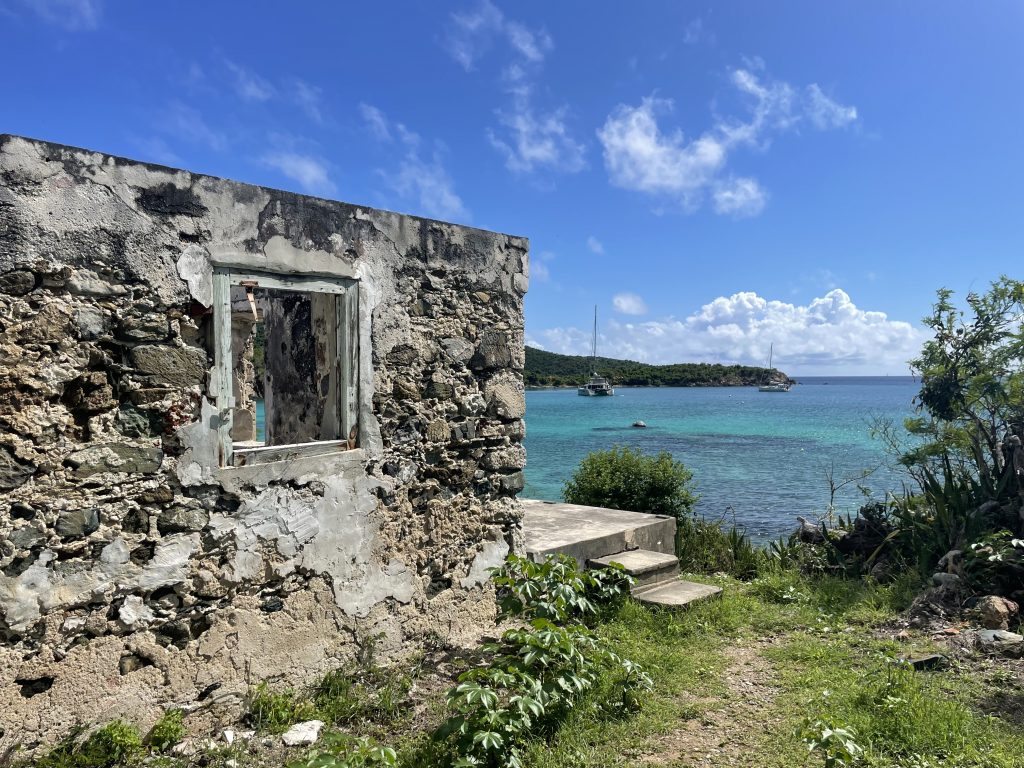
A Quieter Side of St. John Worth the Extra Effort
Most first-time visitors to St. John spend their beach days along the famous North Shore. Head to the South Shore, however, and you’ll find a very different experience at Little Lameshur Bay and Great Lameshur Bay.
These neighboring bays are part of Virgin Islands National Park and are separated by Yawzi Point, a rocky peninsula known for both snorkeling and historic ruins. Great Lameshur is the larger, rockier bay, while Little Lameshur has a sandier beach and easier access to the remains of the historic Lameshur Estate.
Getting here from land takes more effort than visiting beaches like Maho or Trunk Bay. That extra effort is part of the appeal. Lameshur offers visitors a chance to combine:
- Quiet beach time
- South Shore snorkeling
- Historic plantation ruins
- A short hike at Yawzi Point
- Swimming and exploring
- A part of St. John many visitors never reach
If you’ve already seen St. John’s better-known beaches or simply want somewhere that feels more remote, Lameshur belongs on your list.
Little Lameshur vs. Great Lameshur: What’s the Difference?
Although people sometimes refer to the entire area simply as “Lameshur,” there are actually two separate bays.
Little Lameshur Bay
Little Lameshur is generally the better choice if you’re looking for a more traditional beach day.
- Sandier shoreline than neighboring Great Lameshur
- Historic Lameshur Estate ruins located nearby
- Easy access to Yawzi Point for hiking and snorkeling
- Good choice for groups with different interests, since some guests can relax on the beach while others explore the ruins or snorkel
Great Lameshur Bay
Great Lameshur is the larger and rockier of the two bays, with a more rugged South Shore feel.
- Larger bay with a rockier shoreline
- Better suited to swimming, scenery, and exploring than a traditional sandy beach day
- Access to snorkeling around Yawzi Point
- Quiet, remote atmosphere that feels very different from St. John’s busier beach destinations
Yawzi Point
Yawzi Point is the peninsula separating Little and Great Lameshur and one of the biggest reasons to explore the area.
- Short trail across the point
- Danish colonial-era stone ruins along the trail
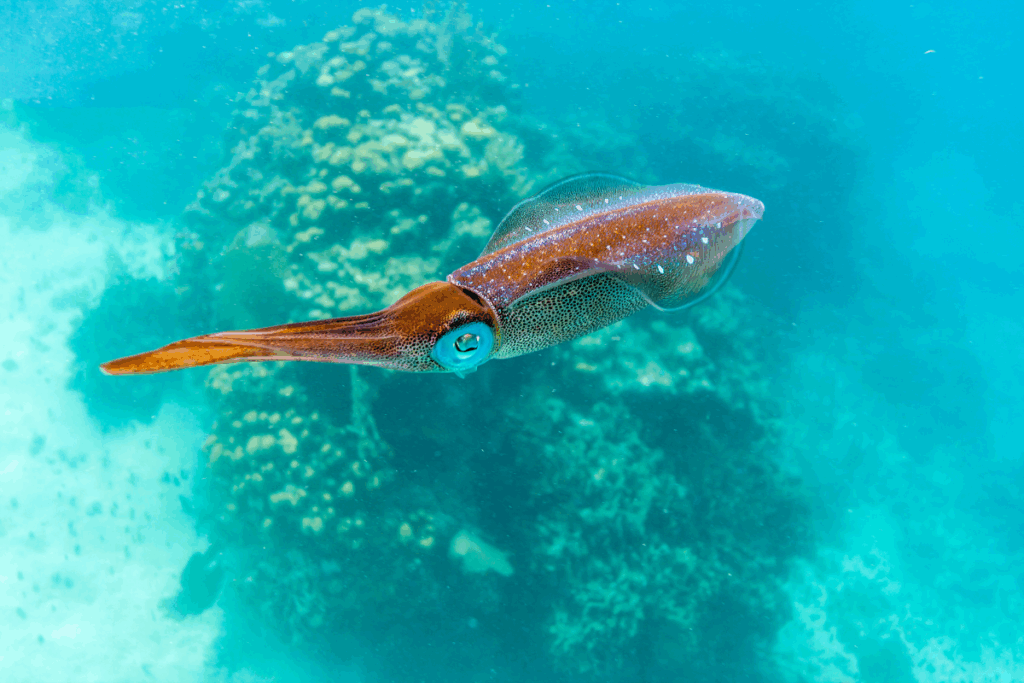
- Rocky coral shoreline that provides habitat for fish and other marine life
- Excellent opportunity to combine St. John history and snorkeling in the same small area
How Do You Get to Lameshur Bay?
Lameshur can be reached by road or by boat, and those two approaches offer very different experiences.
1. Getting to Lameshur by Car
Lameshur is located beyond Salt Pond Bay on St. John’s South Shore. The final road into the bays is rough, and the National Park Service recommends four-wheel drive.
If you’re renting a vehicle, check your rental agreement before making the drive. Some rental companies prohibit their vehicles from using the Lameshur access road.
The rough approach is one reason these beaches often feel considerably quieter than the easily accessible North Shore.
2. Getting to Lameshur by Boat
Arriving by boat skips the rough road altogether and also makes it easier to focus on Yawzi Point and the shoreline itself.
We’ll admit our bias — we’re boat people — but Lameshur is one destination where water access provides a real advantage. Instead of spending time bouncing down the road, you can approach directly from the South Shore and combine the stop with Reef Bay, Salt Pond, Ram Head, or other boat-accessible snorkeling areas.
For visitors who are already planning a St. John boat day, Lameshur is an excellent alternative to the more familiar North Shore route.
Snorkeling at Lameshur Bay
Both bays can offer snorkeling, but Yawzi Point is the standout.
The National Park Service specifically recommends snorkeling around the tip of the point, where the rocky coral shoreline creates more underwater structure than you’ll find in the middle of the bays.
Depending on conditions, snorkelers may explore:
- Rocky coral shoreline
- Reef ledges and crevices
- Schools of reef fish
- Invertebrates hiding among the rocks
- Small rocky beaches along Yawzi Point
As with snorkeling anywhere around St. John, conditions matter. Wind, swell, current, visibility, and swimming ability should all influence where you enter and how far you venture from protected water.
For a much deeper look at this particular site, see our guide to snorkeling Yawzi Point.
Take the Short Yawzi Point Trail
Yawzi Point isn’t only for snorkelers.
The Yawzi Point Trail is approximately 0.3 miles long and follows the crest of the peninsula between Great and Little Lameshur. The National Park Service describes it as a short, rocky trail with slight inclines.
Along the route you’ll find:
- Danish colonial-era stone ruins
- Remains associated with the historic Great Lameshur Estate
- Side trails leading to small rocky beaches
- Quiet places to enter the water
- Views across both Lameshur bays
This makes Yawzi Point an easy way to add a little history and hiking to a beach day without committing to one of St. John’s longer trails.

Explore the Lameshur Estate Ruins
Little Lameshur is also interesting because the ruins nearby represent much more than a single sugar mill.
The area was used for agriculture over a long period, and surviving structures reflect different phases of the estate’s history. Historic records associate Lameshur with a surprisingly broad mix of activities, including:
- Cotton production
- Sugar production
- Rum production
- Bay rum
- Lime juice
- Quicklime
- Estate residences
- Agricultural infrastructure
The early plantations in this area were heavily associated with cotton, while large-scale sugar development came later.
That’s an important distinction because visitors often assume every plantation ruin on St. John began as a sugar estate.
Lameshur’s History Started with Cotton
The agricultural history of Lameshur reaches back to the earliest period of Danish colonization on St. John.
Great Lameshur was deeded in 1720, followed by neighboring Little Lameshur in 1721. During this early period, cotton was an important crop along St. John’s relatively dry South Shore.
Cotton was better suited to these conditions than the more water-demanding sugar production that later became closely associated with the island.
Over time, Great Lameshur, Little Lameshur, and the neighboring Bowe Estate were consolidated into a larger property.
From Cotton to Sugar
A major change came after Ingjald C. Mourier purchased Lameshur in 1832 and began developing the property more heavily for sugar production.
Producing sugar on this dry part of St. John created a basic problem: water.
Historical research indicates that Mourier addressed this by excavating a pond near the bay and sealing it with quicklime to create a reservoir. This supplied water needed for the growing sugar operation.
By 1847, Lameshur covered roughly 235 acres, although only a portion of that acreage was planted in sugar cane. The estate also raised livestock and contained an enslaved population whose forced labor supported agricultural production.
The ruins visitors see today therefore represent several different chapters of Lameshur’s history rather than one single moment.
Even the Name “Yawzi” Is a Mystery
One of the more unusual local-history questions involves the origin of the name Yawzi Point.
The St. John Historical Society has investigated the subject, but there is no confirmed explanation.
One theory connects the name with yaws, an infectious tropical disease historically found in the Caribbean. An estate inventory from 1794 refers to a “sickhouse” at Lameshur, leading to speculation that an isolated part of Yawzi Point may once have been connected with sickness or quarantine.
It’s a fascinating theory, but that’s all it is. There isn’t enough historical evidence to say confidently that the disease gave Yawzi Point its name.

“Lameshur” Is a Mystery Too
Historic records spell the name several ways, including:
- Lamesure
- Lameshure
- Lameshur
- LaMesure
Several theories have been proposed about the name’s origin, including possible connections with lime or the area’s pale geological features, but the historical evidence isn’t strong enough to provide a definitive answer.
Sometimes the most accurate local-history answer is simply: we don’t know yet.
Who Should Visit Lameshur Bay?
Lameshur is particularly good for visitors who want more than a traditional beach day.
Consider adding it to your St. John itinerary if you are:
- A snorkeler: Yawzi Point is one of the more interesting South Shore snorkeling areas.
- Interested in history: The Lameshur ruins preserve stories involving cotton, sugar, rum, and early Danish colonization.
- A repeat St. John visitor: Lameshur feels very different from Maho, Trunk, Cinnamon, and Hawksnest.
- Traveling with mixed interests: Beach time, ruins, hiking, and snorkeling can all happen in the same area.
- Looking for fewer crowds: Difficult road access helps keep Lameshur quieter than many North Shore beaches.
- Exploring by boat: Lameshur fits naturally into a South Shore itinerary.

Make Lameshur Part of a South Shore Day
One of the best ways to experience this part of St. John is to treat Lameshur as part of a larger South Shore adventure.
A day might combine:
- Reef Bay for history and the historic sugar factory
- Little and Great Lameshur for ruins and beach time
- Yawzi Point for snorkeling
- Salt Pond Bay for swimming or snorkeling
- Ram Head for hiking and dramatic scenery
It’s a completely different experience from spending the day moving among St. John’s famous North Shore beaches.
Lameshur Bay FAQ
Final Thoughts on Visiting Lameshur
Little Lameshur, Great Lameshur, and Yawzi Point work best when you think of them as one destination with several different experiences.
You can spend part of the visit on a sandy beach, snorkel a rocky point, walk through colonial ruins, or simply enjoy a part of St. John that feels considerably farther removed from the busy North Shore.
Whether you make the rough drive or arrive from the water, Lameshur rewards the extra effort.
Sources & Further Reading
- National Park Service — Snorkeling in Virgin Islands National Park
- National Park Service — Yawzi Point Trail
- St. John Historical Society — Lameshure Bay Explore


